By Shaina Hayutin, Coach at CrossFit Newtown
They say it’s a cult. They say we drink the Kool-Aid. They say we’re insane. And I respond with: But have you tried it though?
Stereotypes are real. They are generalizations. They can cause harm, be based in truths, and help our wee human brains categorize things. We should always take individual human beings for face value: the experience we have with that unique person. In my personal experience, stereotypes are often quickly shattered and people tend to surprise me. We are complex and multifaceted creatures. And the same goes for us crazy CrossFitters.
Can CrossFitters be crazy? We sure can. Can we do too much? Absolutely. Is it easy to point out flaws in programming execution? Sure is. But when we dive into the original methodology- when we approach CrossFit as we would an individual human being- it can surprise us.
For a long time, I did not enjoy proclaiming my CrossFit identity to “outsiders” because of the stereotype. The CrossFit Games and volume-centered programming have given it a bad reputation. And that’s not the kind of CrossFit I identify with. Over the years, I’ve learned to be more open, and have discussions with those willing and interested to debate its essence. CrossFit has taught me valuable takeaways over the last 13 years. I’d like to share those valuables… because sharing is caring.
Do hard things.
It’s so simple, but simple does not equate to easy. If it were easy, everyone would do it. This lesson feels extra important in our AI-driven, comfort-culture world today. I’ve touched on this in past posts: air conditioning, cars, electric bikes, uber eats, GLP-1s. These are all shortcuts. There’s nothing inherently wrong with these things singularly. However, when we start leaning into all of these shortcuts regularly, we lose our innate sense of humanity.
We are made to move, build things, hunt and forage. If we lose sight of our inherent nature, we move away from being human and towards a different kind of species entirely. Personally, I’d prefer to remain human. And CrossFit creates the perfect outlet. We are faced with challenges inside the gym. We get uncomfortable. We feel awkward and hit plateaus. This is life. CrossFit has taught me how to deal with difficulties with barbells and pull-up bars and breathing heavily, which directly translates to my ability to better cope with the ups and downs of life. I am forever grateful for this, and I will always continue to pursue hard things.
Learn new skills.
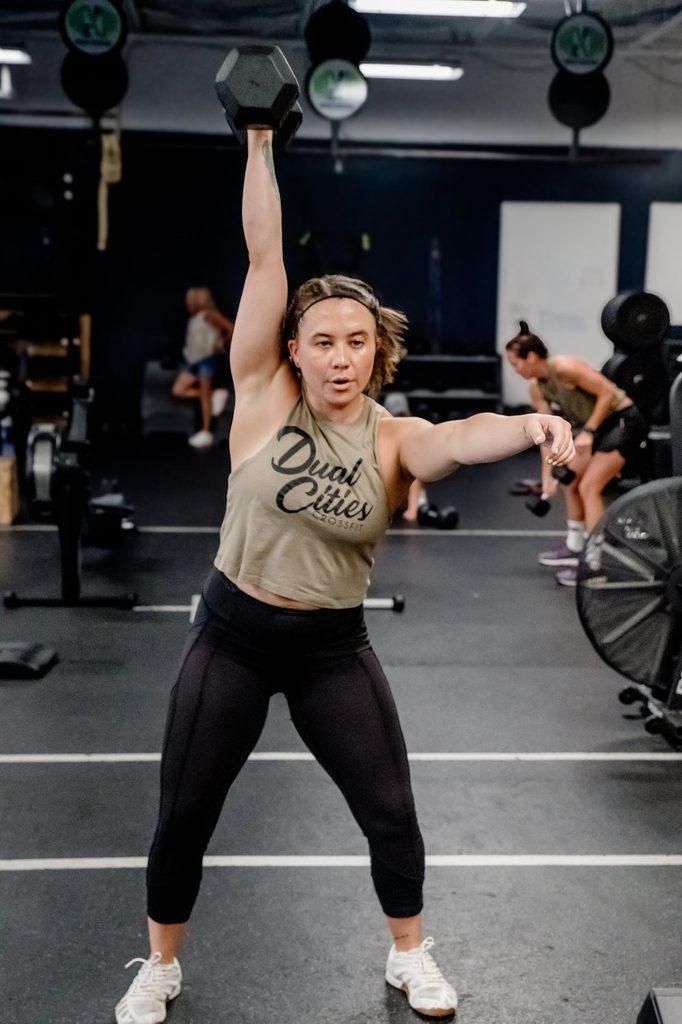
Doing big fancy things like ring muscle-ups makes us cool. Just kidding. Not really though, because it does. It makes us cool because of who we become in the process. Gaining a high-level skill takes time, patience, effort, failure. Returning to the basics. Fine-tuning our form. Doing the fundamentals over and over again until we reach a point of mastery. Again, I sound like I’m 100, but in this instantaneous world where we can have packages delivered to our door in 24 hours and can ask Alexa or Siri or whoever is the latest robot device “expert” for immediate answers, I find it even more imperative to embrace the process. To take the time to learn, understand, and increase my own body awareness, which inevitably increases my sense of self awareness.
On top of that, the cognitive benefits of learning complex movements is vital. Dementia, Alzheimer’s, and all kinds of fun mental illnesses run in my family- on both sides. Using my brain, using my body, and in turn increasing my psychosomatic abilities takes work, and I take great pride in the growth process.
CrossFit has taught me the value of process. It started with things like snatches, moved to bar muscle ups and handstands, and has shifted to more fun, crazy things like working on drills to one day [maybe] master a forward roll on the high rings. Will I ever actually get that skill without a spot? Probably not. But it’s who I become in the pursuit of trying that matters. And this concept has transferred outside of the gym. It’s given me reason to relearn a musical instrument, shake off the cobwebs with my writing skills, and get my uncle’s old camera fixed so I can dabble with photography. I will always pursue new things because being a beginner is cool. Whether it be speaking a language, going back to school, learning to woodwork, building something with my bare hands, or something as simple as learning to quilt. Learning new things is rad.
Unlikely friends.
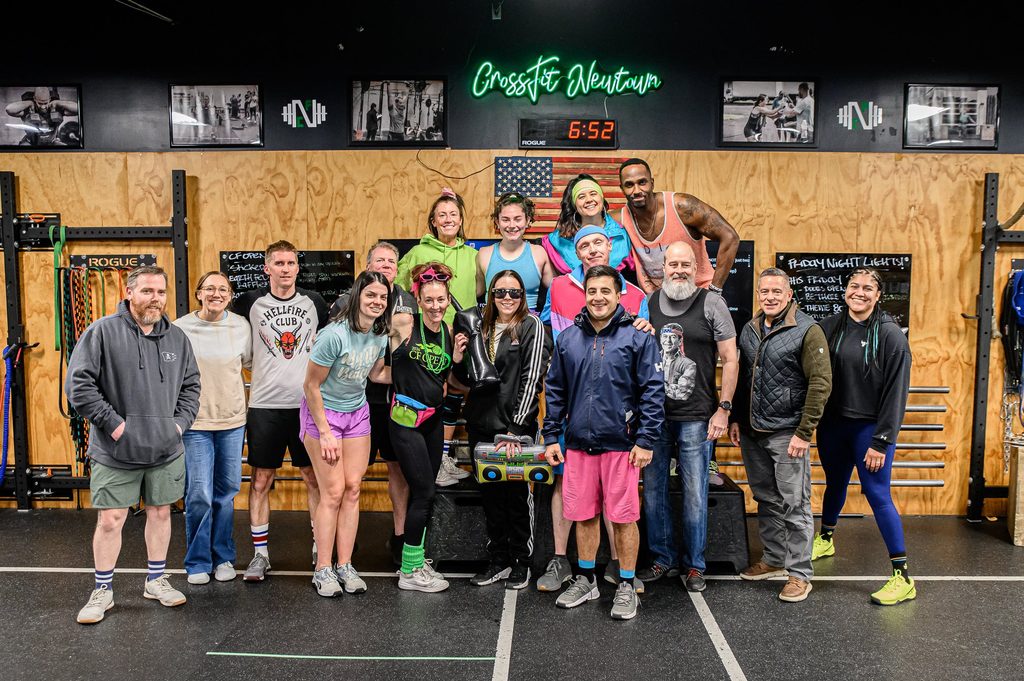
I have formed life-long bonds with humans I never would have if it weren’t for CrossFit. People of different ages, backgrounds, races, ethnicities – you name it. Folks have become like my chosen family. Imperative in my world. I am forever grateful for this. It’s made me become more open. And when I see this happen with others, it makes me very happy.
Do less.
As mentioned earlier, CrossFit has a bad rap for doing too much, and doing things poorly. However, if you read original CrossFit articles from Greg Glassman, you will find this is incorrect. CrossFit is defined as constantly varied, high intensity, functional movement. That does not mean random. That does not mean volume-centered. And that does not mean move like garbage. That means we train all modalities. That means we go for short, medium and long durations of time. That means we’re supposed to do Fran [and only Fran] for the day. Or sprint intervals and sprint intervals only. And respect the heavy days. And rest. [Louder for the CrossFitters in the back!] That means we take 1-2 days OFF. Every. Single. Week. And maybe even take entire weeks off throughout the year. We learn to listen to our bodies. Train hard and then recover.
The goal is to be able to show up again tomorrow and next week. Not to beat our bodies into the ground every single day. In a world that rewards a packed schedule and being “busy,” it’s going against the grain to be the one to slow down. The one who values stillness. The one who does less. The one who says, “I did a one mile run [which feels like eternity to me… lols…but you get what I’m saying] and that’s all I’m going to do today.” The one who learns to say no. The one who then can also say no to social plans or added unnecessary responsibilities that will drain us instead of saying yes simply to fill a schedule. Society rewards busy and more. More is not better. Better is better.
Music.
Music is an underrated, and in my opinion, vital part of the CrossFit experience. Coaches are expected to be DJs, which can be a lot to manage on top of everything else we need to think about. However, it plays a role in setting the tone. Do we get it right every day? Surely not. But when we do, the vibes are real. Matching the appropriate tone and pace to the workout of the day can enhance our environment. And can contribute to the likelihood of finding your— as the influencers say these days— flow state. Additionally, my music taste has become greatly enhanced due to sharing artists with fellow athletes and coaches. I understand FitRadio has its purpose, and I certainly use it as a tool regularly. However, I am a sucker for whole entire songs with beginnings and ends. With a few seconds of silence between so perhaps I can shout a helpful coaching cue, or take a second to hear myself breathe as an athlete. Music is a powerful tool.
Community.
Perhaps one of the most overused words in the CrossFit space. But when you hear something over and over again, there is likely great merit. The power of community is undeniable. Doing hard things, struggling together, creates some of the strongest relationships I have ever seen. Whether it be your local CrossFit gym, church, mosque, temple, support group, family, or whatever group- lean into it. We need each other and that tribe is what keeps us human. And I certainly would like to remain human.
13 years of CrossFitting. 10 years of coaching. Lessons that will last a lifetime. I am forever in debt. Cheers y’all<3.
Shaina Hayutin is a CrossFit Coach and Content writer at CrossFit Newtown in Newtown, PA. With a Degree in Journalism, a Level 2 CrossFit Coach, a Healthy Steps Nutrition Coach, and over a decade of experience in the fitness industry, she emphasizes the critical role that community plays in achieving optimal fitness results while maintaining long-term health and wellness.